
Scala Talent in the UK 13 Top Tendencies Defining the Market in 2026
Hiring Great Scala Developers Takes More Than Assumptions. The Strongest Candidates Respond to Companies That Understand Their Priorities.
Based on Survey Insights from UK Scala Developers, This Report Helps Employers Understand:
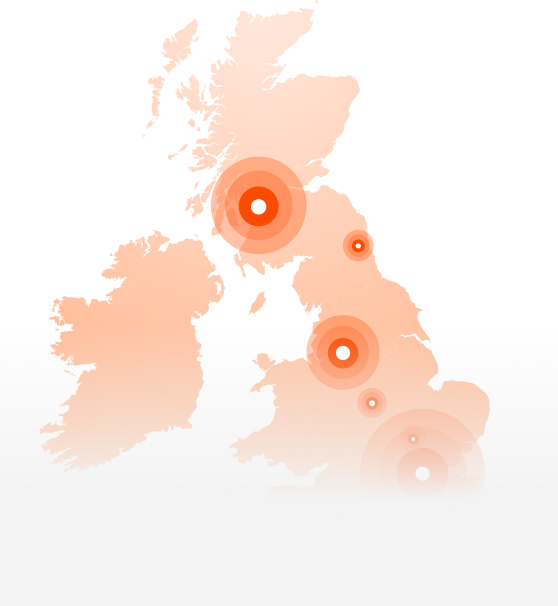
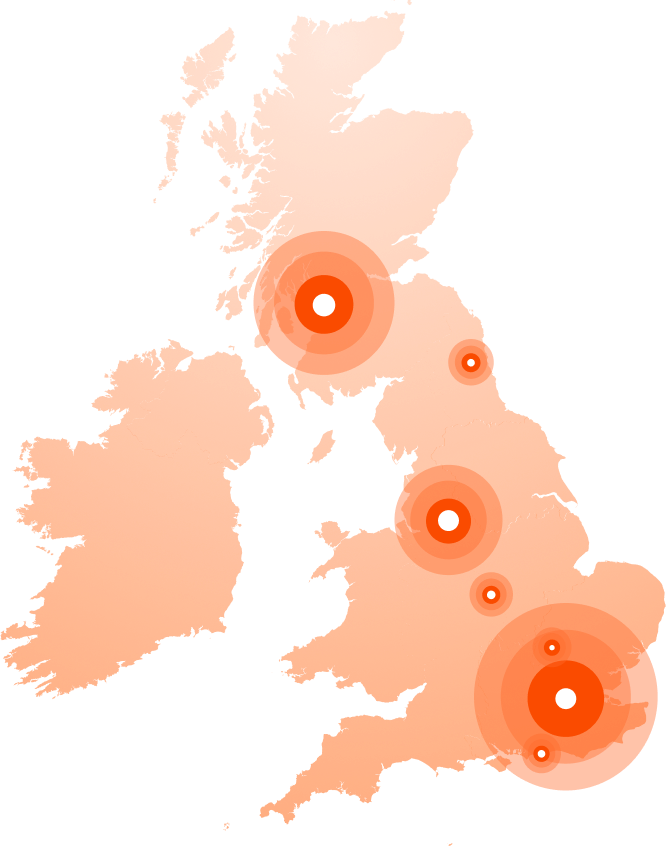
This Report is Based on Original Research Carried Out Exclusively by JobsWithScala.Com. Through Detailed Questionnaires Shared Directly With Scala Engineers Across the UK, We Gathered First-hand Insights from The People Working in the Field Every Day.
Hiring Scala developers in the UK has become increasingly complex: not due to a lack of talent, but because of how that talent behaves, what it values, and how it evaluates opportunities. In many cases, traditional assumptions around hiring (such as relying on employer brand, location advantages, or linear salary benchmarks) are no longer sufficient in a market.
This whitepaper is designed to help employers move beyond these assumptions and align hiring strategies with how Scala developers actually think, work, and choose roles.
The whitepaper is based on survey data and findings by JobswithScala.com, which explores the current state of the Scala talent market in the UK based on direct insights from developers. It captures their experience, salary expectations, career goals, and perspectives on the ecosystem.
From this research, you’ll learn the following aspects – in short, everything you need to hire Scala developers efficiently in the UK in 2026.

Talent Profile
- What defines a typical UK Scala developer
- Typical level of seniority and experience distribution

Hiring Dynamics
- How quickly candidates can be hired
- What truly drives offer acceptance

Compensation Insights
- How salaries vary by experience and location
- Key inconsistencies in salary expectations

Talent Geography
- Where talent is concentrated
- How mobile Scala developers are

Work Preferences
- What work conditions developers expect
- Preferred work models (remote, hybrid, onsite)

Market Landscape
- Which companies attract top engineers
- Industries where Scala is most commonly used
Survey Details
Conducted by
Hannah, Technical Recruiter at JobswithScala.com
Period
December 15, 2025 – April 6, 2026
Total engineers contacted
754
Total survey responses received
19
Recognized For Excellence In The Scala Ecosystem


Expertise Behind the Report
This research initiative was carried out in partnership with:
A specialized hub for Scala hiring, combining talent sourcing with deep expertise in the Scala ecosystem;
A dedicated development team provider with 15+ years of experience in hiring Scala developers in the UK and worldwide.
Trusted by Companies Around the Globe


Part 1
The Potential of Scala Strengths, Pitfalls, and the Future
Scala occupies a distinct place in the modern programming landscape – designed for building complex, scalable systems where performance and correctness matter. In this section, we draw on the survey results to examine how UK-based Scala developers assess the language and perceive its future direction.
Highlights
Scala 3 is seen as the right direction
However, many UK-based Scala developers mention that the surrounding ecosystem has yet to fully mature.
Scala focuses on building stable and scalable systems
Scala developers’ feedback reflects strong positioning in large-scale, stability-driven environments.
Scala is characterized by low presence in early-stage startups
This means it’s less suited for rapid iteration and MVP-driven development.
Tendency #1: Positive But Cautious Outlook
Most UK-based Scala developers see the ecosystem evolving in the right direction — however, some concerns remain around tooling, adoption pace, and overall ecosystem maturity.
53%
express a positive outlook on Scala’s future
Key strengths:
- Strong type system
- Maintainability at scale
- High performance for demanding workloads
16%
remain skeptical or uncertain
Key concerns:
- Tooling maturity
- Ecosystem fragmentation
- Competition from other languages
This can be explained by gaps between core language improvements and the readiness of the surrounding ecosystem. While the language itself evolves quickly (especially with Scala 3), libraries, frameworks, tooling, and documentation often take longer to catch up, creating friction in real-world adoption.
Hear It From Scala Developers: Featured Feedback

“Scala 3 is on the right course, but migrations of popular Scala libraries still need to happen, which is slowing down — or even blocking — teams from adopting the latest version. ”

“Scala has had a major impact on other languages. Java, for example, has improved significantly, and it’s hard not to notice Scala’s influence there.”

“I think Scala will continue maturing as Scala 3 becomes the standard, with the ecosystem moving toward simpler and more consistent patterns, better tooling, and smoother Java interoperability.”

Takeaway
Scala’s strengths point to a positive future, but the speed and adoption will ultimately depend on how quickly the ecosystem matures.

Pro Tip:
When opting for Scala, plan for potential ecosystem gaps early. Allocate time for tooling decisions, library validation, and internal standards. This will help you reduce friction later.
Tendency #2: Scala is Perceived as Anchored in Large-Scale, Stability-Driven Environments
Survey data shows that Scala is most commonly used in large, stability-focused organizations rather than early-stage startups.
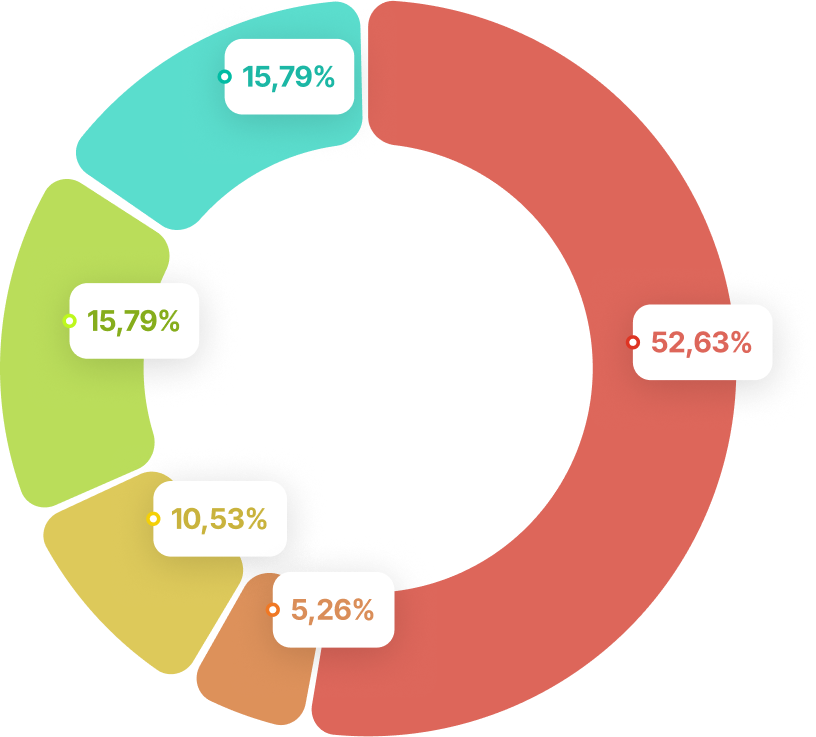
High-Profile InfrastructureHMRC, Sky
Tech Giants & Major MediaTwitter, BoA, ITV
Traditional Financial SectorLloyds, JPM, Morgan Stanley
Specialized Tech & ConsultanciesRevolut, ClearScore, HCLM
Other
KEY INSIGHT
These companies typically share common characteristics, such as:
Based on these insights, the following can be concluded:

Scala is primarily used where stability matters more than rapid experimentation
It is well-aligned with mature, production-grade systems
Employers benefit most from its strengths in building reliable and scalable solutions
Most Frequently Mentioned Company Associated with Scala (According to Survey Responses)
| Names | Industry | Breakdown |
|---|---|---|
| Sky | Media & Telecommunications | 22% |
| HMRC | Government / Public Sector | 20% |
| Bank of America | Banking & Financial Services | 10% |
| Twitter (X) | Social Media / Tech | 10% |
| ITV | Media & Entertainment | 8% |
| Netflix | Media & Entertainment | 6% |
| ClearScore | Fintech | 6% |
| Revolut | Fintech | 6% |
| Quantexa | Data & Analytics | 6% |
| Disney | Media & Entertainment | 6% |
Takeaway
Judging from the above-mentioned use cases and survey responses, Scala is not a general-purpose language, but rather a strategic technology for complex, mission-critical systems. This way, employers that align with this reality will be best positioned to attract and retain top Scala talent.
Pro Tip:
Given the senior-heavy nature of the Scala ecosystem, teams should be structured for peer-level collaboration and strong architectural involvement – by offering meaningful problems for solving, strong engineering environments, and the opportunity to contribute to long-term impact.
Part 2
Scala Developers in the UK: Key Demographic Facts
Understanding who Scala developers are is key to building effective hiring strategies. Equipped with these insights, employers can improve targeting, achieve stronger alignment between candidate expectations and role requirements, and ultimately drive higher conversion rates.
Let’s take a deeper look at the data.
Highlights
The talent pool is heavily male-dominated (94.74%), highlighting a significant diversity gap – due to this, companies prioritizing diversity may need proactive strategies (inclusive hiring, outreach, employer branding) to balance teams.
Employers face very low administrative friction when hiring from this pool, making hiring faster and less complex.
Employers can attract top London talent without London-level salaries by offering strong remote or relocation packages in lower-cost regions.
Emerging UK-based hubs (Glasgow, Saint Albans, Manchester, Leicester, etc.) represent underutilized but viable hiring markets.
Legal Status
10,53%
Require a visa / sponsorship
Main location
55,56%
London
Emerging Regional Hubs
Glasgow
11%
Saint Albans
11%
Leicester
5%
Worthing
5%
Newcastle
5%
Part 3
Favorable Scala Candidate Hunting Opportunities
Judging by the survey responses, the UK Scala talent market is in a unique position: demand, availability, and flexibility are all aligned. It is characterized by several factors – let’s review each in more detail.
Highlights
Global competition is intensifying. High relocation readiness (especially in London) means that talent is no longer geographically constrained, and international companies can tap into the UK market with ease.
Next-grade flexibility unlocks easier access to talent. Most developers are agnostic to company type, both full-time and contract roles, open to relocate.
High proactivity toward new opportunities. The fact that most UK-based Scala developers are actively exploring new opportunities means employers should shift focus from sourcing to conversion and a strong value proposition.
Tendency #3: Demand is Real
The survey shows a high level of openness among Scala developers to new job opportunities, which creates a favorable environment for employers.
68%
of UK-based Scala developers reported are actively seeking new job opportunities
5%
of surveyed Scala developers aren’t actively looking but are open to exceptional offers.
The proactive attitude of UK-based Scala developers toward new job opportunities creates a strong hiring window. With most candidates already open to change, companies that move quickly and present clear value can secure talent faster than typical enterprise timelines.
Takeaway
The challenge becomes less about finding Scala candidates – and more about converting them efficiently.
Pro Tip:
Clearly communicate project impact, team quality, and value proposition early. This will help you better convert interest into offers.
Tendency #4: Speed of Hiring is a Competitive Lever
Speed becomes a decisive factor in Scala hiring, and those who move quickly secure top candidates.
31%
of Scala developers in the UK are ready to start ASAP or within 2 weeks
32%
are ready to start within 1 month
Takeaway
Based on our findings, a significant share of candidates are available in the near term – which makes hiring timelines a key differentiator. Hence, companies looking for UK-based Scala developers can significantly streamline their hiring processes and fill roles much faster than typical enterprise timelines.
Pro Tip:
To secure top Scala talent, optimize for fast decision-making. Reduce interview stages, align stakeholders early, and aim to close candidates within 2–3 weeks.
Extra Insight
Don’t skip technical vetting. In a senior-heavy market, early technical vetting helps ensure candidates match your system complexity and stack requirements – reducing hiring risk and improving conversion
Hire Top-Notch Vetted Scala Developers with JobswithScala.com
Tendency #5: No Preference for the Type of Company
Speed becomes a decisive factor in Scala hiring, and those who move quickly secure top candidates.
74%
of UK-based Scala developers report no specific preference regarding the type of company they would like to work for
The majority of Scala developers in the UK are flexible in their choice of employer. This gives employers across startups, scale-ups, and enterprises equal access – if they communicate their value clearly.
Pro Tip:
Differentiate through execution. Show how your team works, how decisions are made, and what engineers own. The clearer the role, the higher the conversion.
Tendency #6: Flexibility in Work Engagement Options
Most UK-based Scala developers are open to different employment types. This gives employers the advantage of choosing the most efficient engagement model for scaling teams.
58%
are open to both permanent and contract / freelance roles
26%
prefer permanent employment
16%
prefer contract / freelance opportunities
Pro Tip:
Align engagement with business goals. Use contract roles for speed and short-term needs, and permanent roles – for long-term system ownership.
Tendency #7: Record-High Relocation Readiness
Most UK-based Scala developers are open to different employment types. This gives employers the advantage of choosing the most efficient engagement model for scaling teams.
55%
of UK-based developers are willing to relocate
77%
of London-based developers are willing to relocate
A large share of Scala developers in the UK are highly mobile, especially those based in London.
In hiring scenarios, this means the following:
For UK-based employers – increased competition from international companies entering the same talent pool;
For international employers – easier access to UK talent without needing a local presence. Regional and European companies can compete more effectively, as candidates are already open to moving.
Pro Tip:
Design for global hiring. Remote-first roles, relocation packages, or cross-border contracts can help you access a wider and more competitive talent pool.
Part 4
Skills & Versatility of Scala Developers
For employers, this means leaner teams, more efficient delivery, and faster execution in complex environments. In the section below, we’ll review the core factors contributing to this, based on our respondents’ answers.
Highlights
Expertise in complex problem-solving. Senior-heavy experience enables developers to take ownership of architecture, scalability, and performance-critical decisions.
Real-world complexity shows in framework diversity. Developers commonly use multiple frameworks at once, reflecting the need to integrate across different system layers and handle varied architectural demands.
Scala developers’ versatility empowers employers to reduce reliance on narrowly specialized roles and improve delivery across backend, data, and infrastructure layers.
Tendency #8: Senior-Heavy Scala Experts
Most UK-based Scala developers are open to different employment types. This gives employers the advantage of choosing the most efficient engagement model for scaling teams.
84%
of candidates have 4-10+ years of experience
53%
fall within the 4-5 year range
10%
are junior-level developers
The Scala ecosystem in the UK is dominated by experienced engineers. This reflects Scala’s typical use in complex, high-stakes systems where experience is critical. For employers, this creates both advantages and constraints. Explore them below.
| Advantages | Disadvantages |
|---|---|
| Access to highly capable engineers | Limited junior pipeline |
| Ability to contribute quickly | Harder to build long-term talent funnels |
| Strong independence in execution | Less cost optimization via junior hiring |
| Capability to handle complex architectures | Higher investment in compensation |
| Minimal ramp-up time required | Greater need for retention strategies |
| Well-suited for scaling mature systems | Increased need for internal knowledge sharing |
| Effective in performance-critical solutions | Need to develop training pathways for juniors |
Pro Tip:
Considering the high level of seniority of Scala developers in the UK, prioritize fewer but highly skilled engineers who can own systems end-to-end rather than scaling headcount with juniors
Extra Insight
Validate early. Considering the senior-dominated nature of the Scala ecosystem, experience alone is not a reliable indicator of fit – since developers come from diverse backgrounds, their strengths can vary significantly depending on your system requirements.
Introduce tech pre-screening
Validate hands-on experience with relevant frameworks
Assess architectural thinking and problem-solving, not just experience
Tendency #9: Multi-Stack, not Niche Specialists
Our survey findings show that Scala developers in the UK are predominantly multi-stack engineers, with most transitioning into Scala after building strong foundations in Java. This is directly reflected in the number of frameworks and libraries they use – each adding a layer of specialized expertise
Inside the Most Popular Scala Stack: Usage & Impact
In this section, we’ll cover some of the most widely adopted technologies in the Scala ecosystem, exploring their popularity, strongest capabilities, and the real-world use cases where Scala teams rely on them most.
Akka / Pekko
Popularity
Used by 84% of surveyed Scala developers in the UK
Strong In
- Concurrency
- Distributed systems
- Fault tolerance
Key Use Cases
- Microservices architectures
- Event-driven systems
- High-availability, resilient platforms
Play Framework
Popularity
Used by 68% of surveyed Scala developers in the UK
Strong In
- Web development
- REST APIs
Key Use Cases
- Building modular, type-safe systems
- Managing side effects in complex applications
- Designing reusable, composable business logic
Cats
Popularity
Used by 68% of surveyed Scala developers in the UK
Strong In
- Functional programming abstractions
- Composability
Key Use Cases
- Building modular, type-safe systems
- Managing side effects in complex applications
- Designing reusable, composable business logic
Apache Spark
Popularity
Used by 53% of surveyed Scala developers in the UK
Strong In
- Large-scale data processing
- Analytics
Key Use Cases
- Data pipelines and ETL
- Real-time and batch analytics
- Machine learning workflows
- Big data platforms
http4s
Popularity
Used by 53% of surveyed Scala developers in the UK
Strong In
- Functional HTTP services
- Type-safe APIs
Key Use Cases
- Microservices with strong type guarantees
- Functional REST APIs
- Backend services with FP principles
fs2
Popularity
Used by 47% of surveyed Scala developers in the UK
Strong In
- Streaming
- Asynchronous data processing
Key Use Cases
- Streaming pipelines
- Event processing systems
- Handling continuous data flows
- Integrating with messaging systems (e.g., Kafka-like setups)
Hadoop
Popularity
Used by 26% of surveyed Scala developers in the UK
Strong In
- Distributed storage
- Batch data processing
Key Use Cases
- Large-scale data processing (ETL)
- Data lake architectures
- Batch analytics workflows
- Handling massive datasets across clusters
Scala Native
Popularity
Used by 21% of surveyed Scala developers in the UK
Strong In
- Low-level performance
- Native execution (no JVM)
Key Use Cases
- High-performance system components
- CLI tools and utilities
- Embedded or resource-constrained environments
- Interfacing with native libraries
Scala.js
Popularity
Used by 16% of surveyed Scala developers in the UK
Strong In
- Frontend development using Scala
- Full-stack Scala apps
Key Use Cases
- Building web frontends in Scala
- Sharing code between frontend and backend
- Type-safe UI development
- Full-stack Scala applications
Takeaway
Scala developers’ tech versatility means they are not just backend coders, but real systems engineers who operate across multiple layers – from core services to data pipelines and integrations.
For employers, this translates into several advantages:
- End-to-end system ownership rather than fragmented responsibilities
- Reduced reliance on narrowly specialized roles
- Faster delivery through fewer handoffs between teams
- Stronger cross-functional collaboration across backend, data, and infrastructure
- Higher adaptability to evolving technical requirements

Typical Scala Developer Profile in the UK
By # of Frameworks
47%
5+ frameworks
16%
4 frameworks
21%
3 frameworks
Strong overlap across key domains:
Functional programming
Distributed systems
Big data & data processing
Web & API development
Streaming & real-time processing
Event-driven architectures
Frontend / full-stack development
High-performance / native execution
Cross-Language Experience
The majority have the following number of years of working with:
Java
4-7 years
Python
2-6 years
Haskell
1 year
Rust
1 year
C / C++
1-3 years
How Cross-Language Experience Impacts Scala Developers
Cross-language experience shapes how Scala developers design systems and solve problems. With backgrounds in multiple languages, they bring broader perspectives and adapt easily to complex environments. Let’s break this down based on insights from survey respondents.
Java
Java Experience of Scala Developers in the UK
No experience
5%
1 – 3 years
16%
4 – 7 years
37%
8 – 10 years
11%
10+ years
32%
As per our survey findings, more than 80% of surveyed UK-based developers have at least 4 years of Java experience, with nearly one-third bringing over a decade of exposure to enterprise JVM development.
Here’s what it means: a strong enterprise and backend foundation.
As Scala developers come from Java, they bring experience in large-scale systems, OOP design, production-grade architectures, etc.
Python
Python Experience of Scala Developers in the UK
No experience
21%
1 – 3 years
63%
5 – 6 years
16%
The data shows that many UK-based Scala developers (63%) also have practical Python exposure.
Here’s what it means: practical versatility (in scripting, data processing, analytics, etc.)
Scala developers who are skilled in Python, in most cases, are comfortable working with data pipelines, tooling, and integrations, not just core services.
JavaScript / TypeScript
JavaScript / TypeScript Experience of Scala Developers in the UK
1-3 years
42%
4-7 years
32%
8-10 years
16%
10+ years
10%
With 58% of Scala developers having 4+ years of JavaScript/TypeScript experience, many bring strong full-stack and cross-functional engineering capabilities alongside JVM expertise.
What it means: Near-universal exposure to frontend or full-stack development.
Experience with JavaScript / TypeScript allows Scala developers to collaborate across frontend and backend and better understand end-to-end system architecture.
Haskell
Haskell Experience of Scala Developers in the UK
No experience
74%
1 year
21%
2 years
5%
Based on the survey results, with 74% reporting no Haskell experience, Scala adoption appears to be driven primarily by practical engineering needs rather than academic functional programming backgrounds.
Here’s what it means:
Most Scala developers are not coming from purely academic or theory-first functional programming backgrounds (which Haskell is closely associated with).
Rust
Rust Experience of Scala Developers in the UK
No experience
74%
1 year
16%
2 years
0%
3 years
10%
Survey shows, 74% of UK-based Scala developers have no Rust experience.
What it means: Limited exposure to low-level, memory-safe systems programming.
Scala developers focus more on high-level system design, distributed architectures, and business logic.
C / C++
C / C++ experience of Scala Developers in the UK
No experience
74%
1 year
16%
2 years
0%
3 years
10%
With 74% having no C/C++ experience, most Scala developers specialize in backend, data, and distributed systems rather than performance-critical native or embedded development.
What it means: Limited exposure to low-level, memory-safe systems programming.
Scala developers focus more on high-level system design, distributed architectures, and business logic.
Pro Tip:
Leverage versatility as a force multiplier. Considering that UK-based Scala developers bring multi-framework and cross-language experience, ensure you structure roles and teams to take advantage of this. To do so, assign end-to-end ownership, encourage cross-functional collaboration, enable decision-making authority, and more.
Part 5
Work Conditions Preferences
of UK-Based Scala Developers
Work model expectations, compensation dynamics, and location-based factors all play a critical role in decision-making. In the section below, we explore the key patterns shaping how UK-based Scala developers evaluate opportunities, as well as what employers need to do to remain competitive in the Scala market.
Highlights
Flexibility is now a baseline expectation. The majority of developers favor hybrid or remote work.
Geography no longer defines pricing predictably. Talent is distributed across regions, but salary expectations do not consistently correlate with location or talent concentration.
Work environment is the priority. Scala developers in the UK opt for a positive work culture over career progression opportunities.
Tendency #10: On-Site is in the Past
With the majority of UK-based Scala developers favoring hybrid or remote work (and only a small minority preferring fully on-site roles), flexibility has become a non-negotiable.
Employers that embrace this shift gain access to a wider talent pool.
What Work Model Do Scala Developers in the UK Favor Most?
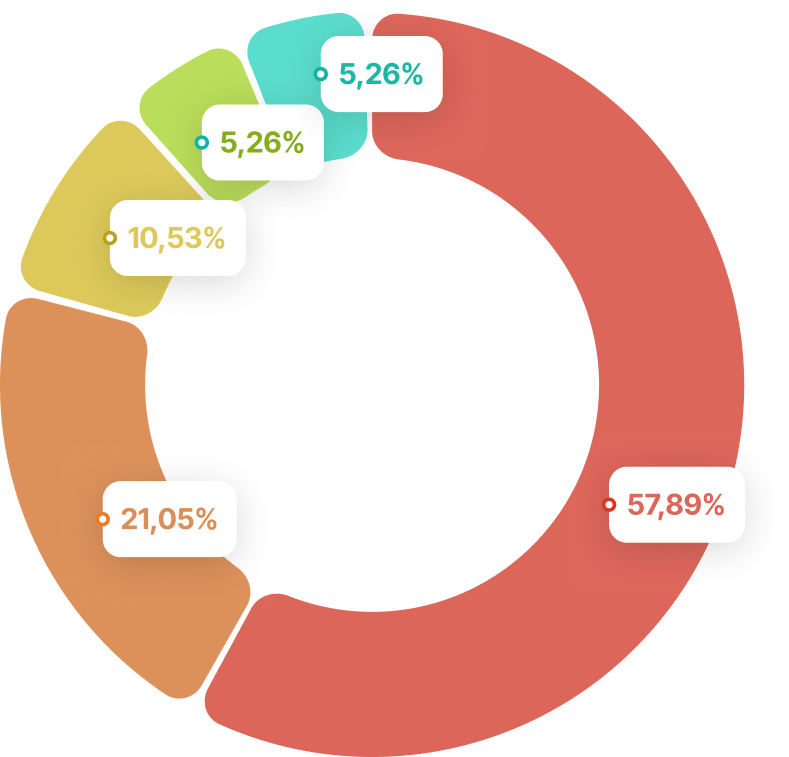
Hybrid (1–3 days onsite), Fully remote
100% onsite, Hybrid (1–3 days onsite), Fully remote
Fully remote
100% onsite
100% onsite, Hybrid (1–3 days onsite)
Pro Tip:
Clearly communicate expectations early – and design processes and communication practices accordingly.
Tendency #11: Salary Expectations are Inconsistent
Looking at the salary expectations of Scala developers in the UK, the data reveals some irregular patterns.
Mid-level salaries (6–8 years) are unexpectedly lower than 4-5 years
Wide salary ranges within the same experience brackets. For example, developers with 9-10 years of experience report expectations ranging from £100,000 to £150,000
Salary Expectations of UK-Based Scala Developers by Experience
Minimum accepted salary (median)
Expectations experience with Scala
Minimum accepted salary (median)
0 – 3 years
£70,000
4 – 8 years
£80,000
9 – 10 years
£100,000
10+ years
£115,000
Takeaway
Compensation in the Scala market is not purely experience-driven. First and foremost, it is increasingly shaped by a range of contextual factors:
- Work model (remote vs onsite)
- Project complexity and technical challenge
- Company stability and reputation
- Opportunities for ownership and impact
Pro Tip:
Employers should avoid relying on rigid salary bands tied only to years of experience. Instead, successful hiring strategies require flexible compensation frameworks, combined with a strong overall value proposition that aligns with candidate priorities
Tendency #12: Geography is Decentralizing, But Unevenly Priced
Based on survey data, Scala talent is no longer concentrated solely in London – distribution across regional cities is increasing (for example, Glasgow, Manchester, Leicester, etc.). Another interesting observation: salary expectations vary significantly by location, and not always as expected.
For example, main discrepancies include:
Glasgow (£125,000) exceeds London (£109,722), despite London having a larger number of developers.
The number of Scala developers in Glasgow and St Albans is the same, but salary expectations in Glasgow are 36% higher.
Newcastle, Manchester, Leicester, and Worthing have similar talent shares, but salary expectations differ by up to 122% (from £45k in Leicester to £100k in Worthing).
Salary Expectations and Talent Availability by Location
Expectations by Geography
Median Salary Expectations
Talent Share (%)
London
£109,722
55%
Glasgow
£125,000
11%
Worthing
£100,000
5%
St Albans
£92,500
11%
Newcastle
£75,000
5%
Manchester
£60,000
5%
Leicester
£45,000
5%
Potential Factors Influencing Location-Based Salary Discrepancies
Local demand vs. supply mismatch
Employer competition and presence
Correlation with cost of living
Remote work dynamics
Takeaway
Overall, there is no clear correlation between talent concentration and salary expectations. For employers, this means that location alone is not a reliable proxy for compensation planning.
Compensation strategies should be data-driven and location-specific – and not just based on generalized assumptions about regional cost differences.
Pro Tip:
Consider benchmarking against real market data, accounting for local demand, talent availability, and candidate expectations to avoid mispricing and remain competitive.
Tendency #13: Developers Optimize for Environment Over Employer Type or Career Prospects
According to our survey results, only 26% explicitly prefer product companies, while the majority report no strong preference for company type. Therefore, the decision is less about WHAT the company does and more about HOW it operates.
KEY INSIGHT
Most UK-based Scala developers value a friendly environment much more than career progression.
Top work environment priorities of UK-based Scala developers
Hear It From Scala Developers: Featured Feedback
“A culture of mentorship, continuous learning, and genuine support for professional growth is very important to me.”

“Having good people to work with and opportunities for career development.”

Pro Tip:
Use interviews (especially last-stage ones) to showcase culture. Let candidates meet the team, observe communication styles, and understand collaboration firsthand.
Conclusion & Actionable Advice
for Employers
Summing up the survey results, the typical UK Scala developer is a senior, highly compensated engineer, most often based in major hubs such as London or emerging centers like Glasgow.
Due to Scala’s capabilities and the seniority level of its developers, Scala-skilled experts often operate in complex, production-grade environments and work extensively with frameworks like Akka, Cats, and Apache Spark. This reflects their strong focus on distributed systems, data processing, and high-performance architectures, to name a few.
At the same time, Scala developers demonstrate high openness to new job opportunities and strong flexibility in work arrangements. Many are actively exploring roles or open to compelling offers, and are comfortable with remote, hybrid, or contract engagements.
So, what does it mean for employers?
Overall, this creates a favorable hiring environment for those employers who can move quickly and present a clear value proposition.
Winning combination
To successfully hire and retain Scala talent, employers must go beyond surface-level incentives. The winning combination is:
- High-impact or complex systems
- Competitive, market-aligned compensation
- Modern, relevant tech stack (e.g., Akka, Cats, Spark)
- Clear ownership and architectural involvement
- Flexible work model (remote or hybrid by default)
- Strong engineering culture (respect, trust, collaboration)
- Meaningful autonomy, transparent communication and expectations
- Fast, well-structured hiring process